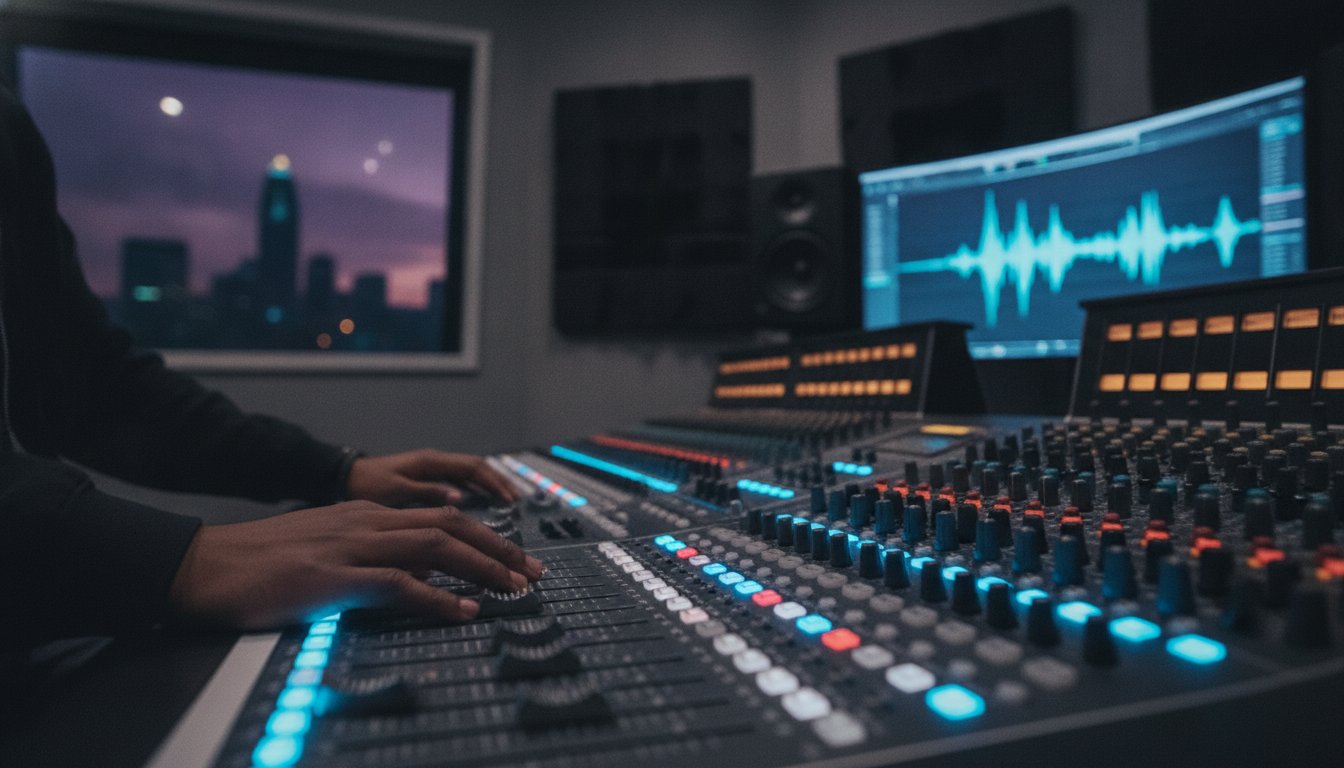
What if the secret to a professional sound isn't another expensive plugin, but the environment where you first touch a fader? You've likely spent hours scrolling through contradictory YouTube tutorials, yet your home recordings still feel thin and muddy. It's frustrating to stare at a complex mixing console and feel more intimidated than inspired. That's why choosing the right audio engineering classes for beginners is about more than just software. It's about stepping into a world-class commercial studio where the science of sound meets the spirit of creation.
We know that the transition from a bedroom setup to a professional career can feel overwhelming. With the U.S. Bureau of Labor Statistics projecting an 11% growth in sound engineering roles through 2032, the opportunity for skilled creators is massive. We promise to help you master the technical foundations and artistic nuances of audio in a high-end facility designed for innovation. This guide previews how you'll gain the confidence to lead a recording session, navigate industry-standard software like Pro Tools, and map out a clear path to a sustainable career in the 2026 audio industry.
Key Takeaways
- Shift your mindset from making beats to engineering professional records by mastering the delicate balance of technical precision and artistic spirit.
- Gain a deep understanding of signal flow and industry-standard DAWs like Pro Tools to ensure your creative vision is never limited by technical hurdles.
- Discover why the acoustics of a professional studio and real-time expert feedback provide a learning curve that digital tutorials simply cannot replicate.
- Learn how to select high-impact audio engineering classes for beginners that offer hands-on experience with cutting-edge equipment and mentorship.
- Map out your transition into the professional industry by leveraging Cleveland’s rich musical history and expanding post-production market.
What Are Audio Engineering Classes for Beginners?
Think of these classes as a bridge. On one side, you have a passion for music and perhaps a few years of "making beats" in your bedroom. On the other side lies the professional industry, where every decibel and frequency serves a specific purpose. Audio engineering classes for beginners provide the structured roadmap you need to cross that gap. It isn't just about learning which buttons to press; it's a deep dive into the science of sound waves and the art of emotional impact. You'll learn to capture a performance with absolute fidelity and then manipulate that data to create a sonic masterpiece.
The core goal of professional training is developing your "professional ear." This is the ability to identify specific frequency build-ups, dynamic inconsistencies, and spatial issues that make a recording sound "amateur." In 2026, the bar has been raised. We've entered the era of the hybrid engineer. This means you aren't just mastering stereo; you're learning to think in three dimensions. Modern beginners must understand how sound moves in immersive environments, including formats like Dolby Atmos 9.1.4. This technical foundation is what transforms a hobbyist into a reliable professional who can deliver world-class results under pressure.
Engineering vs. Producing: What's the Difference?
Many creators confuse these two roles, but they are distinct disciplines. A producer focuses on the "what" and "why" of a song, often handling the arrangement and the artist's performance. The engineer is the technical architect of the sonic space. To truly understand the scope of this role, it helps to look at the broader definition of What is an Audio Engineer? beyond just the recording booth. Engineering is about the "how." How do we make the vocal sit perfectly in the mix? How do we ensure the low end doesn't turn into a muddy mess? When you master the "boring" technical details of signal flow and phase coherence, you actually unlock total creative freedom. You stop fighting the gear and start using it as an instrument. Understanding these technicalities makes you a 10x better producer because you finally know how to achieve the sounds you hear in your head.
The Essential Gear for Your First Lesson
You don't need a million-dollar console to start, but you do need to understand the path sound takes. Your first audio engineering classes for beginners will likely focus on three pillars of the studio environment:
- Microphones: You'll learn the difference between rugged dynamic mics, often used for loud sources like drums, and sensitive condensers that capture the intimate details of a vocal performance.
- The Signal Chain: This is the journey from the microphone through preamps and converters into your Digital Audio Workstation (DAW). Mastering this "GPS" of the studio prevents technical headaches before they start.
- Monitoring: Professional engineering requires "flat" studio monitors. Unlike consumer speakers that boost bass to sound "good," flat monitors tell you the truth. They highlight the flaws in your mix so you can fix them.
By learning on professional-grade equipment, you set a high standard for your own work. You'll quickly realize that a treated room and a clean signal chain are worth more than any software plugin.
The Core Curriculum: Skills Every Beginner Must Master
Mastering the technical foundations of sound is about more than just memorizing a manual. It's about building a mental map of the studio. The most vital skill you'll acquire in audio engineering classes for beginners is understanding signal flow. Think of it as the GPS for your audio. If you don't know exactly how the sound travels from the vocalist's lips through the microphone, into the preamp, and finally into your software, you'll spend more time troubleshooting than creating. A solid grasp of this path eliminates technical anxiety and allows you to focus on the artistic energy of the session.
Once the signal is safely captured, the focus shifts to sculpting that sound. This is where EQ and dynamics processing come into play. You'll learn to use Equalization to carve out space for every instrument, ensuring the kick drum doesn't fight the bass guitar. Dynamics, or compression, allows you to control the "energy" of a performance. It's the difference between a vocal that sounds distant and one that feels like it's whispering directly into the listener's ear. While some students pursue traditional Audio and Music Engineering degrees to study the deep physics of these tools, our curriculum focuses on the immediate, high-impact application of these concepts in a commercial studio environment.
Mastering the Industry Standards: Pro Tools and Logic
To work in any professional facility, you must speak the language of Pro Tools. It remains the undisputed king of recording and editing due to its precision and stability. We dive deep into its architecture, teaching you the shortcuts that pros use to keep a session moving. Conversely, we explore Logic Pro as a powerhouse for the modern creator. It offers an intuitive workflow for production and arrangement that complements the technical rigor of Pro Tools. Beyond the buttons, we emphasize session organization. A pro-level engineer is defined by their file management; a messy session is a creative killer. If you want to see how these systems integrate in a world-class facility, exploring the environment where audio engineering classes for beginners are held is the best way to start.
Introduction to Immersive Sound (Dolby Atmos)
In 2026, thinking in stereo is no longer enough. The industry has shifted toward immersive formats, and Dolby Atmos is leading the charge. Our curriculum introduces you to the 9.1.4 environment from day one. You'll move beyond the traditional "Left and Right" mindset to understand how sound can be placed as "objects" in a three-dimensional space. This isn't just a gimmick; it's the future of how music is consumed on streaming platforms. Learning to mix for height and depth gives you a massive competitive advantage. At Starsound, we prioritize this immersive training, ensuring you leave with a portfolio that sounds contemporary and forward-thinking.
The Hands-On Advantage: Why Studio Training Beats YouTube
You can watch a thousand videos on how to compress a vocal, but you won't truly understand the "why" until you feel the air move in a calibrated room. Digital tutorials offer a wealth of data, but they lack the sensory reality of a professional environment. This is why audio engineering classes for beginners are most effective when they happen in a physical studio. In a commercial space, the "Feedback Loop" is instantaneous. When you make a subtle EQ adjustment that doesn't quite work, a professional engineer is right there to correct it in real-time. This immediate guidance prevents bad habits from taking root and accelerates your growth by months, if not years.
Acoustics are the silent partner in every great record. Most beginners struggle with "muddy" mixes because their bedroom environment is lying to them. Standing waves and frequency build-ups in untreated rooms make it impossible to hear the truth of your audio. Training in a professionally treated facility allows you to finally understand what "flat" actually sounds like. Beyond the room, you gain access to a $10,000 signal chain that plugins simply can't replicate. You'll learn to hear the weight and texture of high-end analog preamps and hardware compressors. This hands-on experience with premium gear builds a level of sonic discernment that stays with you for life.
Overcoming 'YouTube University' Limitations
Learning online is a solitary experience that often leads to "tutorial fatigue." You end up with a head full of unverified, often contradictory facts but no practical confidence. There's a massive difference between seeing a fader move on a screen and physically manipulating a high-end console. Studio training also provides the "Soft Skills" that videos can't teach. You'll learn how to manage a session flow, communicate effectively with artists, and stay calm under the pressure of a ticking clock. Perhaps most importantly, you're immediately plugged into the local Cleveland music scene. You aren't just a student; you're a member of a creative community where networking happens naturally during every break.
The Mentor-Apprentice Model at Starsound
We reject the sterile, corporate classroom model in favor of the traditional mentor-apprentice relationship. You'll learn directly from Steve 'The Mix' and our veteran engineering staff. This isn't just about theory; it's about observing real commercial sessions in progress. You'll see how pros handle technical glitches and navigate the delicate egos of performing artists. This exposure is invaluable for anyone looking to turn a passion into a profession. Your mentor tailors the curriculum to your specific musical taste, ensuring you master the techniques most relevant to the genres you love. It's a high-attention, artist-centric approach that prioritizes your unique identity as a creator.

Choosing the Right Program in Cleveland: Ohio's Audio Landscape
Cleveland isn't just a dot on the map. It's a sonic powerhouse with a legacy that demands respect. When you're hunting for audio engineering classes for beginners, you have to look beyond the curriculum and evaluate the geography. Location matters because you aren't just learning in a vacuum. You're building a network. Studying in your local market allows you to cultivate a client base from day one. You aren't just gaining a certificate; you're meeting the artists who will eventually fill your booking calendar. The "Cleveland Advantage" lies in this rich musical history combined with a rapidly growing post-production market that needs fresh, skilled ears.
Vetting a studio is a critical step that many beginners skip. Don't be afraid to ask tough questions before you pay for tuition. Ask about the instructor's recent credits. Ask if you'll have hands-on time with the console or if you'll just be watching from the back of the room. A reputable program should be transparent about its gear and its student success stories. You want a facility that feels like a sanctuary for creators but operates with the precision of a high-end laboratory. If a studio can't show you a clear path from their classroom to a professional session, keep looking.
What Makes a 'Professional' Training Facility?
There is a massive divide between a "project studio" and a certified commercial facility. Your resume needs weight. Training at a location that holds professional certifications signals to future employers that you understand industry-standard workflows. Starsound's status as Ohio’s only Dolby-certified Atmos studio matters. It proves you've worked in an environment that meets the rigorous technical standards set by Dolby itself. This isn't just about prestige. It's about being prepared for the high-level output expected in 2026. You should also check for modern industry standards like Pro Tools integration, as this remains the language of professional recording facilities worldwide.
Local Networking: Beyond the Classroom
The classroom is only half the battle. The real work happens in the hallways and the lounge. Cleveland’s music scene is a vibrant tapestry ranging from gritty hip-hop to experimental indie rock. A local program should act as a gateway to this community. Look for internship opportunities that allow you to transition from a student to an assistant engineer. By the time you finish your course, you should have a portfolio of work that local artists actually want to pay for. If you're ready to see what a professional environment looks like, you can start your professional sound journey by touring a facility that bridges the gap between art and science.
From Passion to Profession: Your First Steps at Starsound Studios
Your professional sound journey starts with a single, physical step into the room where the magic happens. We believe that the best way to evaluate audio engineering classes for beginners is to experience the atmosphere of a working commercial studio firsthand. Scheduling a studio tour allows you to step inside our 9.1.4 Dolby Atmos suite and see the gear you'll be mastering. This isn't just about looking at equipment; it's about feeling the creative energy of a space where professional records are born every day. During your visit, you can discuss your specific goals with our staff and choose between our Pro Tools or Logic Pro focused beginner tracks.
We understand that life doesn't stop when you decide to pursue a new career. That's why we offer flexible, hands-on schedules with evening and weekend options designed to fit into your existing routine. You won't just be sitting in a chair listening to lectures. You'll be committing to a practical schedule where you start building your professional portfolio through guided recording sessions. By the time you complete the initial curriculum, you'll have tangible proof of your skills to show potential clients or employers. This focus on high-level output ensures that your transition from a passionate hobbyist to a respected professional is grounded in real-world experience.
Preparing for Your First Class
You don't need a physics degree or advanced math skills to succeed in our program. While the science of sound is important, an open ear and a dedicated spirit are far more valuable assets. We focus on the "professional ear" rather than complex equations. Your primary tool is your hearing, and we'll help you refine it. The only essential item you need to bring is a high-quality pair of studio headphones. Investing in a reliable pair of monitors for your ears is your first real commitment to accuracy. Before your first session, take a moment to define your ultimate goal. Are you aiming for a staff position at a major facility, or are you looking to elevate your home setup to a professional standard? Knowing your "why" helps us tailor our mentorship to your vision.
The Path to Professionalism
Our audio engineering classes for beginners serve as the foundation for a much larger journey. We've designed a progression path that leads naturally into advanced stereo mixing and immersive Atmos mastering programs. We call this the "Starsound Standard." It's a benchmark of reliability, precision, and artistic empathy that defines every engineer who trains in our facility. Becoming a trusted engineer means more than just knowing how to use a plugin; it means understanding how to protect an artist's vision while delivering world-class technical results. If you are ready to stop guessing and start engineering, the next step is waiting for you.
Book your introductory studio tour and start your audio journey today. We look forward to welcoming you into our creative sanctuary and helping you reach your highest potential.
Elevate Your Sonic Identity in 2026
The path from a curious creator to a seasoned professional is paved with intentional practice and expert guidance. You've seen how a structured curriculum and professional signal flow can eliminate the technical frustration of muddy home recordings. By choosing audio engineering classes for beginners that prioritize hands-on experience over static tutorials, you're investing in your own creative longevity. You'll move beyond basic stereo concepts to master the precision required for modern, immersive environments.
Starsound Studios offers a unique sanctuary where the science of sound meets artistic passion. As Ohio's first and only Dolby-certified Atmos mixing studio, we provide access to a state-of-the-art 9.1.4 immersive audio suite that is simply unattainable in a home setup. With direct mentorship from Steve 'The Mix', you'll gain the technical assurance to lead any session with confidence. Your unique identity as an artist deserves a professional foundation that matches your ambition.
Enroll in Beginner Audio Engineering Classes at Starsound Studios and take command of your professional sound journey today. The future of audio is immersive, and your place in it starts right here.
Frequently Asked Questions
Do I need to play an instrument to take audio engineering classes?
No, you don't need to be a musician to excel in this field. While musical knowledge helps you communicate with artists, an engineer’s primary instrument is the studio itself. You'll focus on frequency, dynamics, and the physics of sound. Understanding how a microphone captures a performance is a separate skill set from playing a guitar or piano, prioritizing technical precision over musical performance.
How long does it take for a beginner to become a professional sound engineer?
Proficiency begins with a solid foundation, but reaching a professional level typically takes one to three years of consistent practice. Our audio engineering classes for beginners accelerate this timeline by providing high-energy mentorship in a commercial environment. While you'll gain the confidence to run sessions quickly, mastering the nuances of a 9.1.4 Atmos suite requires ongoing dedication and a high volume of real-world projects.
Is audio engineering a good career in 2026 with the rise of AI?
Audio engineering remains a robust career choice in 2026 because AI cannot replicate the emotional intuition and critical decision-making required in a creative session. The U.S. Bureau of Labor Statistics projects an 11% growth for sound engineering technicians through 2032. Human engineers provide the collaborative spirit and precise technical oversight that streaming platforms and artists demand for high-fidelity, world-class results.
What software should I learn first: Pro Tools or Logic Pro?
We recommend learning Pro Tools first if your goal is to work in professional commercial facilities. It is the undisputed industry standard for recording and editing worldwide. However, Logic Pro is an excellent choice for modern creators focused on arrangement and production. Mastering both provides a versatile toolkit that allows you to navigate any professional environment with absolute precision and creative flexibility.
Can I take these classes if I only want to record my own music at home?
Absolutely, these classes are ideal for creators who want to eliminate "muddy" home recordings and achieve professional clarity. Learning the science of signal flow and acoustics in a treated studio allows you to identify exactly where your home setup is falling short. You'll gain the technical skills to make your independent releases sound polished and competitive on global streaming platforms without the guesswork.
What is the difference between a sound engineer and a music producer?
A sound engineer is the technical architect responsible for the fidelity, space, and clarity of the recording. A music producer focuses on the artistic vision, arrangement, and performance of the song. While the roles often overlap, the engineer ensures the science of the medium is handled with precision. Mastering engineering fundamentals makes you a far more capable producer by removing technical barriers to your creativity.
Are there job opportunities for audio engineers in Cleveland, Ohio?
Cleveland offers a vibrant landscape for audio professionals, ranging from independent music production to a growing post-production market. With an average of 11,100 job openings projected annually for broadcast and sound technicians nationwide, the local Ohio scene remains a fertile ground for networking. Building a client base while you study here allows you to transition seamlessly from a student to a working professional.
Do I get a certificate after completing the beginner course?
Yes, you will receive a certificate of completion that validates your hands-on training in a commercial studio environment. This credential signals to potential employers and artists that you have mastered foundational skills on industry-standard gear. Specifically, training in our Dolby-certified facility adds weight to your resume, proving you are prepared for the high-level technical demands of the 2026 audio industry.


