
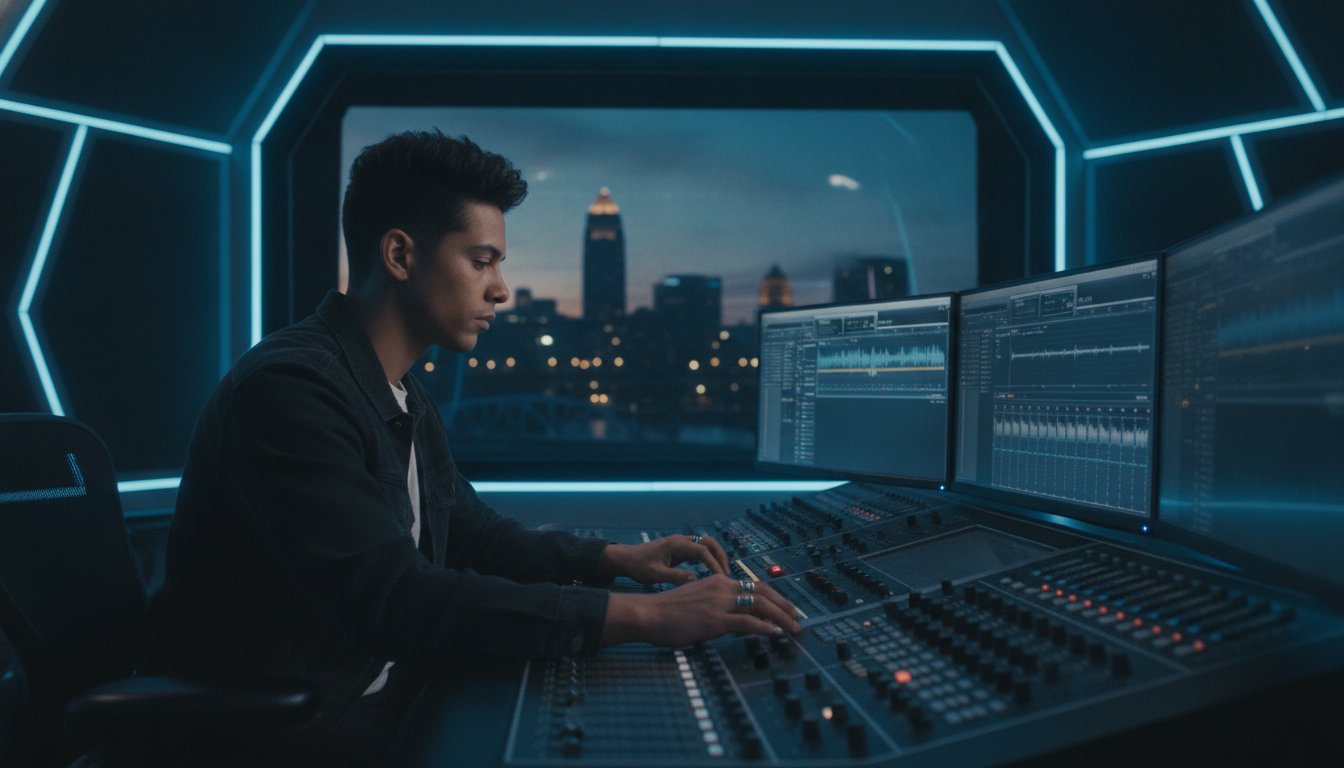
What if the thousands of hours you've spent scrolling through bedroom producer tutorials are actually distancing you from a seat in a world-class control room? It's a common frustration. You're passionate about sound, yet the path to a sustainable career in audio production what to learn feels obscured by information overload and the endless debate over formal degrees versus self-teaching. We understand that the jump from a home setup to a high-end facility requires more than just a new plugin. It requires a fundamental shift in how you approach the science and spirit of the craft.
You're ready to stop guessing and start mastering the technical precision that defines the modern industry. We'll show you how to transform your creative energy into professional authority. This guide explores the core technical skills needed for Pro Tools 2026.4, the nuances of immersive Dolby Atmos mixing, and practical strategies to gain hands-on experience in your local scene. It's time to move past the screen and into the studio to build a future in sound.
Key Takeaways
- Master the "Signal Flow" mindset to navigate complex studio environments with technical precision and creative confidence.
- Learn how to use frequency and dynamics to transform a standard recording into a compelling, professional-grade sonic narrative.
- Discover why mastering object-based audio and spatial formats is essential for a career in audio production what to learn in 2026.
- Understand the psychology of the "Creative Sanctuary" and how to translate an artist's abstract vision into technical reality.
- Identify the specific criteria for choosing audio engineering classes that bridge the gap between home tutorials and world-class studio output.
The Technical Foundations of Audio Engineering
Audio production exists at the high-stakes intersection of physics, technology, and pure artistic vision. It's a discipline where the invisible movement of air molecules is captured, sculpted, and transformed into an emotional experience. To excel as a professional Audio engineer, you must move beyond surface-level software tutorials and embrace the underlying science of sound. You aren't just operating a computer; you're managing energy. If you're mapping out a career in audio production what to learn first is how to translate the artist's raw intent through a complex technical chain without losing the soul of the performance.
Central to this mastery is the "Signal Flow" mindset. Signal flow is the logical path an audio signal takes through various hardware and software stages. This isn't just a technical diagram; it's your primary diagnostic tool. When a signal drops or a strange distortion appears, your ability to mentally trace that path from the microphone diaphragm through the preamp, converters, and DAW determines your value in a high-pressure session. True professionals don't guess. They know exactly where the sound is at every microsecond.
Mastering the DAW: Pro Tools and Logic Pro
Pro Tools remains the undisputed industry standard for tracking, editing, and post-production. Its architecture is designed for rock-solid stability and precision, making it the backbone of commercial facilities worldwide. While it excels in the clinical environment of a mix, Logic Pro often serves as the creative sanctuary for the modern producer. It offers a fluid environment for MIDI composition and rapid-fire ideation. Speed is your greatest currency. If you're hunting through menus while an artist is in the zone, you've already lost the moment. Mastery of shortcuts and session organization is what separates a hobbyist from a high-level engineer.
Understanding Acoustics and the Listening Environment
You can't mix what you can't hear accurately. There is a fundamental difference between soundproofing and acoustic treatment. Soundproofing is about isolation, while treatment is about honesty. Room modes and early reflections can lie to you, creating "ghost" frequencies that aren't actually in your mix. Learning to trust your ears requires a treated environment where the frequency response is flat and predictable. This is why learning in a professional facility is so vital. It calibrates your hearing, allowing you to recognize how a kick drum should actually feel in a room designed for critical listening. This grounded perspective is a cornerstone of a career in audio production what to learn to ensure your work translates to every speaker system on the planet.
Creative Processing: The Art of Mixing and Mastering
Mixing is the definitive moment where raw technical data transforms into a visceral emotional arc. It's more than just balancing faders. You're using frequency, dynamics, and spatial placement to construct a narrative that guides the listener through the artist's vision. While AI-driven plugins from competitors might promise a "perfect" mix at the click of a button, they lack the soul and intentionality of a human engineer. When you're mapping out a career in audio production what to learn, remember that human-centric mentorship beats automated algorithms every time. A machine can analyze a waveform, but it cannot feel the tension in a bridge or the heartbreak in a vocal performance.
The technical pillars of a professional mix rest on dynamics and tonal correction. You must learn to identify frequency masking and use subtractive EQ to carve out space for every instrument. Organizations like the Audio Engineering Society emphasize that while tools evolve, the fundamentals of critical listening and creative intent remain an engineer's most valuable assets. Mastering these basics ensures that a heavy rock band sounds powerful without being cluttered, and a delicate acoustic set remains intimate yet clear. Precision is the foundation of artistic freedom.
Stereo Mixing Techniques for 2026
Modern vocal production in 2026 demands a sophisticated approach to compression and tonal shaping. You'll need to master serial compression to control peaks while adding character. Time-based effects like reverb and delay are no longer just "effects"; they are tools for building three-dimensional depth. By using parallel processing, you can blend raw, punchy signals with heavily saturated or compressed versions to add weight and grit without destroying the original's integrity. This layered approach creates the polished, high-fidelity sound that streaming audiences expect.
The Final Polish: Audio Mastering Basics
Mastering is the objective final check before a project meets the world. It involves meeting strict loudness normalization and LUFS standards for platforms like Apple Music and Spotify. Professionals prioritize high-quality audio formats such as WAV and AIFF to preserve every ounce of fidelity. This stage requires a fresh set of expert ears to ensure the tonal balance translates across everything from club systems to smartphone speakers. If you are ready to elevate your sound, exploring professional Stereo Mixing is the natural next step toward a world-class release.
The Immersive Frontier: Learning Dolby Atmos
The stereo field is no longer the ceiling; it is the floor. In 2026, spatial audio has transitioned from a cinematic novelty to a core requirement for any high-level career in audio production what to learn. Major streaming platforms like Apple Music and Amazon Music now prioritize immersive content, making Dolby Atmos proficiency a non-negotiable skill for engineers aiming for top-tier projects. This shift represents a fundamental change in how we perceive the creative space. We're moving away from the constraints of channel-based mixing, where sound is hard-wired to specific speakers, and into a world of object-based audio. In this new paradigm, sounds are independent objects with metadata that defines their position in a three-dimensional sphere. Precision is mandatory. The emotional impact is limitless.
Professional success in this frontier requires more than just a software update. It demands an understanding of how sound interacts with the listener's environment. With the release of Pro Tools 2026.4, features like MPEG-H support and Dolby Headphone Personalization have become standard tools for the modern engineer. These advancements allow for hyper-personalized sound experiences that adapt to the listener's specific gear. The opportunities are vast, extending far beyond music into the high-growth sectors of AAA gaming and immersive film scoring. Engineers who can master these complex workflows are no longer just mixers; they are architects of sonic worlds.
Understanding the 9.1.4 Environment
Mastering the 9.1.4 environment is the first step toward immersive authority. The numbers represent a specific speaker configuration: nine ear-level speakers for horizontal placement, one subwoofer for Low-Frequency Effects (LFE), and four height speakers to create the overhead canopy. Translating a traditional stereo vision into this expansive soundstage requires a delicate touch. You aren't just making things louder; you're placing the listener inside the heart of the performance. We offer a unique advantage as Ohio's only certified studio for Dolby Atmos Mixing (9.1.4), providing the exact environment needed to calibrate your ears to this new standard.
Object-Based Mixing Workflows
Object-based mixing requires a complete rethink of the session structure. You'll need to master the Dolby Atmos Renderer, which acts as the "brain" of the immersive mix. Learning to manage "beds" (fixed channel groups) alongside "objects" (dynamic, movable sound sources) is essential for a complex 2026 production. A critical part of this workflow is ensuring downmix compatibility. Even the most expansive immersive mix must still sound incredible when folded down for stereo listeners. This technical balance ensures that the artist's vision remains intact, regardless of how the audience chooses to listen.

The Creative Sanctuary: Soft Skills and Session Psychology
Technical mastery is only half the battle. In a professional studio, the gear is a given, but the atmosphere is a choice. We view the studio as a creative sanctuary, a dedicated space where artists feel safe to take the vulnerable risks necessary for a groundbreaking performance. If you are building a career in audio production what to learn includes the subtle art of session psychology. You must be able to read the room, sensing when an artist needs a push toward a better take and when they need a moment of silence to recalibrate. The engineer's primary job is to remove technical barriers to the artist's inspiration.
Communication is your most vital non-technical tool. Artists rarely speak in frequencies or decibels; they speak in colors, emotions, and abstract textures. They might ask for a vocal to sound "more purple" or "less crowded." Your value lies in your ability to translate these sensory descriptions into precise technical adjustments, such as a high-shelf boost or a specific compressor knee setting. Staying calm when a signal flow breaks or a hard drive hangs is equally critical. Troubleshooting under pressure without breaking the creative momentum is the hallmark of a seasoned expert. Precision meets empathy in every successful session.
Managing the Professional Recording Experience
A world-class result begins long before the first mic is placed. Pre-production is essential. You must learn how to guide artists in preparing their tracks and arrangements so that the studio time is spent on performance, not basic organization. Leading a session requires a delicate balance of authority and collaboration. You are the navigator of the project, responsible for setting clear expectations regarding revisions and timelines. This grounded assurance allows the artist to remain in a flow state, knowing the technical details are handled with absolute precision. If you're ready to experience this level of focus, our professional Recording services provide the ideal environment for your vision.
The Collaborative Mentor Persona
The modern engineer is far more than a service provider. You are a collaborative mentor, a secondary producer who acts as a vital sounding board for the artist's ideas. Success in a career in audio production what to learn often comes down to the long-term relationships you build with local bands and creators. Studio culture and the energy of the space are just as important as the microphone locker. By positioning yourself as a partner invested in the final product, you move beyond a transactional role and become an essential part of the creative journey. This trust is the foundation of every world-class record.
The Path to Professionalism: Education and Internships
Transitioning from a dedicated enthusiast to a working professional in 2026 requires a calculated blend of self-directed study and elite mentorship. The industry moves too fast for traditional, four-year academic cycles to keep pace. Instead, the modern roadmap to a career in audio production what to learn focuses on high-impact, specialized training that mirrors the speed of the studio. You need to be ready to contribute from day one. This means moving beyond generic tutorials and immersing yourself in a curriculum that emphasizes the practical application of physics, signal flow, and immersive technology.
The 2026 landscape rewards those who can bridge the gap between technical data and artistic spirit. While self-study builds the foundation, professional mentorship provides the polish. It's about learning the "why" behind the "how." When you're in a room with a seasoned expert, you're not just learning where to move a fader; you're learning how to manage the energy of a high-stakes session. This collaborative experience is what transforms a hobby into a high-level professional career.
Formal Training vs. Hands-on Experience
Structured audio engineering classes in Cleveland provide a significantly faster ROI than broad, high-debt liberal arts degrees. While a degree might look good on paper, your ears are your actual resume. In a professional environment, a portfolio of "spec" mixes and local collaborations carries more weight than a diploma. Focus on building a body of work that demonstrates your ability to handle complex vocal chains and dynamic arrangements. Certifications in specific platforms like Pro Tools or Dolby Atmos are valuable, but they must be backed by the technical precision that only comes from hands-on time in a treated facility. Your career in audio production what to learn path should always prioritize the quality of your output over the length of your resume.
Finding Music Studio Jobs Near Me
Securing a position within the North Royalton and Greater Cleveland audio scene starts with visibility. Research professional recording studios that align with your creative goals and approach them with a clear value proposition. Don't just ask for a job; show how you can make yourself indispensable. Whether it's mastering the session organization of a 9.1.4 Atmos project or being the most reliable assistant in the room, your specialized knowledge is your entry point. The local market is competitive, but engineers who understand the "Creative Sanctuary" mindset and possess modern technical skills are always in high demand. Reliability is the silent currency of the studio world.
Next Steps for Aspiring Engineers
The journey to the top of the master bus is a marathon, not a sprint. Start small by recording local talent, finish every project you start, and never stop listening to the world around you with a critical ear. The more you produce, the more you refine the instinctive reactions that define a master engineer. If you're ready to stop watching from the sidelines and start leading the session, it's time to invest in your future. Elevate your skills with professional Audio Engineering Classes at Starsound Studios and take the first step toward a world-class professional career.
Step Into the Future of Sound
The evolution of sound is moving faster than ever. To thrive in a 2026 career in audio production what to learn starts with mastering the technical precision of modern DAWs and the expansive world of object-based audio. You've seen how the "Signal Flow" mindset and the "Creative Sanctuary" philosophy are what truly separate the experts from the enthusiasts. It's no longer enough to just know the software. You must understand the science of the room and the spirit of the artist to deliver world-class results.
Now is the time to bridge the gap between home tutorials and professional authority. At Starsound Studios, we provide the ultimate environment for this transformation. As Ohio’s only Dolby-certified Atmos mixing studio, we offer hands-on training in a professional 9.1.4 environment. You'll receive direct mentorship from lead engineer Steve "The Mix," ensuring your technical skills are handled with absolute precision while your artistic vision flourishes. Master the console—Enroll in our Audio Engineering Classes today. Your journey toward a world-class result begins with the right mentor in the right room. Let’s build your future in sound together.
Frequently Asked Questions
Is a college degree necessary for a career in audio production in 2026?
A college degree is not a strict requirement for success in the modern industry; however, technical proficiency and a professional portfolio are non-negotiable. Many elite engineers prioritize hands-on experience and specialized certifications over traditional four-year programs. Your "ears" and your ability to manage a high-pressure session are your most valuable credentials when building a career in audio production what to learn.
Which DAW is best for a beginner to learn first?
Choosing your first DAW depends on your creative goals, but Pro Tools 2026.4 remains the undisputed industry standard for commercial studios. If your focus is on electronic production or rapid-fire composition, Ableton Live 12.4.2 offers a more fluid, loop-based workflow. Mastering either platform will provide a solid foundation for your technical journey and professional output.
How much can a sound engineer expect to earn in Ohio?
While local figures vary by city and specialization, the average annual salary for an audio engineer in the United States is approximately $84,456 as of July 2026. Pay ranges can span from $29,500 to over $171,500 based on experience and skill level. Engineers who specialize in high-demand areas like Dolby Atmos mixing often command the top end of that earning spectrum.
What is the difference between mixing and mastering?
Mixing is the process of balancing individual tracks to create a cohesive sonic narrative, while mastering is the final stage of polish and technical preparation. Mixing focuses on frequency, space, and emotion within the song. Mastering ensures the final file meets industry LUFS standards and translates perfectly across every playback system, from club stacks to smartphone speakers.
How do I get a recording studio internship with no experience?
Securing an internship requires you to demonstrate extreme reliability and a fundamental understanding of studio etiquette. Studios look for assistants who are already familiar with session organization and basic signal flow. Showing that you've invested in specialized training, such as immersive audio or advanced DAW workflows, can make you stand out from other applicants in a competitive market.
Why is Dolby Atmos important for new audio engineers to learn?
Dolby Atmos is critical because major streaming platforms now prioritize immersive content over traditional stereo tracks for their featured playlists. Learning this object-based format allows you to work on high-tier projects in music, film, and AAA gaming. It represents a fundamental shift in how sound is consumed, making it an essential skill for any career in audio production what to learn in 2026.
What equipment do I need for a basic home recording studio?
A basic home setup requires a high-quality audio interface, a versatile condenser microphone, and a pair of accurate studio monitors or headphones. However, the most important "equipment" is acoustic treatment. Without a treated space to minimize reflections, your ears cannot make the precise decisions needed to create a mix that translates well in the real world.
Can I learn audio engineering online or do I need a physical studio?
You can learn the theory of audio engineering online, but critical listening and technical precision are best developed in a physical, professional facility. A studio environment provides access to high-end hardware and world-class acoustics that software cannot replicate. Mentorship in a physical space ensures you receive immediate, expert feedback on your work while learning the psychology of the session.


