
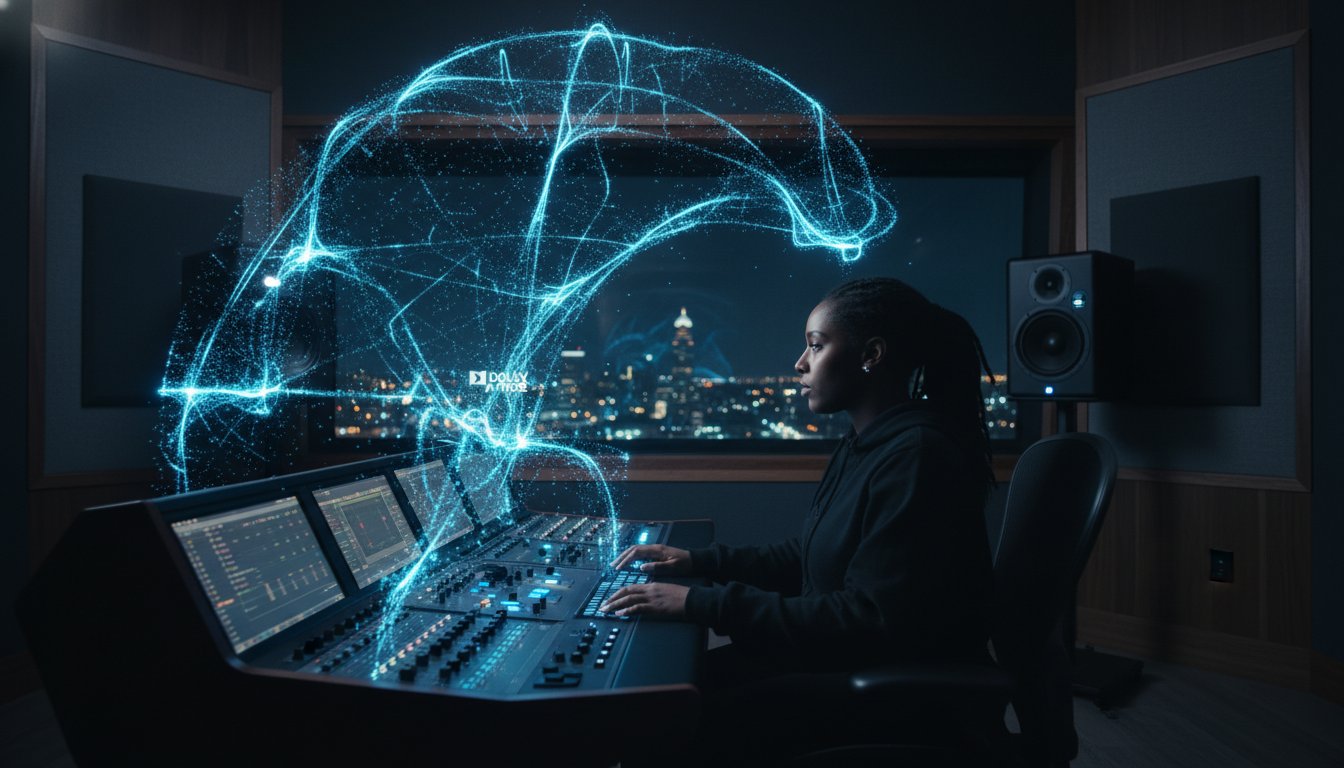
Did you know that as of May 2026, Apple Music pays artists a 10% higher royalty for every stream delivered in Spatial Audio? It's a massive financial incentive for a market projected to reach $12.52 billion by 2033. However, moving beyond two channels can feel like walking a tightrope. You've spent weeks perfecting your stereo vibe; the last thing you want is for that soul to vanish in a 9.1.4 environment. Masterfully preparing stems for Atmos mixing is the essential bridge between a flat file and a 360 degree sanctuary for your sound.
We know the fear of losing your vibe is real. Deciding between dry or wet exports and worrying about stem counts can stall your creative momentum. You want your vision enhanced, not diluted. This guide provides a definitive, repeatable workflow to transform your sessions into immersive masterpieces. We'll dive into the technical nuances of the Dolby Atmos Renderer v5.4.1, explain the vital balance of beds and objects, and ensure your tracks translate perfectly from our professional facility to the listener's headphones. It's time to turn your stereo mix into a spatial experience that commands attention.
Key Takeaways
- Understand why spatial placement requires more intentional stem grouping than traditional stereo balance to unlock true 3D movement.
- Master the essential technical export settings, including sample-accurate alignment and native sample rates, to ensure your files integrate seamlessly into the Atmos renderer.
- Learn the professional secret to preparing stems for Atmos mixing by separating wet reverb layers to maximize immersion without losing your signature vibe.
- Streamline your workflow by mastering the "Power of 128" to prioritize objects and organize groups for a faster, more creative mixing session.
- Discover how a properly prepared session translates your creative vision into a world-class 9.1.4 immersive experience that commands higher royalties.
Why Atmos Stem Prep Differs from Standard Stereo Mixing
Stereo is a picture. Atmos is a world. In a traditional stereo mix, you're working within a two dimensional canvas where depth is an illusion created by volume, EQ, and delay. When you're preparing stems for Atmos mixing, that mindset has to shift. You aren't just grouping instruments to maintain a balance; you're curating the potential for movement. In the immersive world, stems are the building blocks of a 360 degree experience. If your stereo stems are too "baked" with bus compression or baked-in spatial effects, they lose the ability to breathe when moved into a three dimensional field.
Intentional grouping is the secret sauce here. In stereo, you might bounce all your guitars together to save CPU. In Atmos, that approach limits your creative ceiling. You want the ability to place the acoustic rhythm in the side surrounds while the lead solo soars overhead. This requires a "Creative Sanctuary" mindset before you ever hit the export button. It's about protecting the soul of the performance while preparing it for a pristine signal path that reveals every nuance. In our North Royalton facility, we see how 9.1.4 monitoring exposes flaws that a stereo fold can easily hide. Precision is everything.
The 9.1.4 Immersive Advantage
A certified 9.1.4 environment utilizes nine ear-level speakers, one LFE subwoofer, and four overhead speakers to create a true dome of sound. This setup changes your perspective entirely. Your Cleveland based projects deserve the same sonic excellence as any major label release from LA or Nashville. Without a certified room for verification, you're essentially mixing in the dark. A professional suite ensures that your stem translation is accurate; it provides the grounded assurance that your creative vision will translate perfectly to every listener's headphones or home theater system. This is where the magic happens.
Beds vs. Objects: A Quick Primer
In the world of immersive audio, you have two primary tools: Beds and Objects. Understanding the difference is vital when preparing stems for Atmos mixing.
- Beds: These are the foundational skeletal structure of your mix, typically a 7.1.2 channel-based configuration. Think of the bed as the "anchor" for your mix, where you place the foundational weight like the kick drum, snare, and main bass.
- Objects: These are dynamic, floating elements that move independently through the 3D space. Objects offer the highest level of sonic excellence because they aren't tied to specific speaker channels.
Deciding which elements belong in the bed and which should be objects is a collaborative art form. Lead vocals often shine as objects because they can be pulled slightly forward into the room, creating a sense of intimacy and vibe that stereo simply cannot replicate. By contrast, a lush synth pad might work better in the bed to provide a sense of atmospheric "glue."
The 5 Golden Rules for Exporting Clean Atmos Stems
Technical precision is the bedrock of artistic magic. When you're preparing stems for Atmos mixing, the technical foundation you build during the export process determines whether your song feels like a cohesive universe or a disjointed collection of sounds. You've cultivated a specific vibe in your stereo session; these rules ensure that soul translates perfectly into the 9.1.4 dome. Excellence isn't an accident. It's the result of a pristine signal path and disciplined preparation.
- Sample-Accurate Alignment: Every single stem must have identical start and end points. If your lead vocal starts at bar 32 but the stem starts at bar 1, the Dolby Atmos Renderer v5.4.1 will keep everything in perfect sync. If one file is off by even a few samples, the phase relationship of your entire production will crumble.
- Native Resolution: Export at your session’s native sample rate, which is typically 48kHz or 96kHz. Use 24-bit or 32-bit float to maintain the highest possible dynamic range. This prevents rounding errors and keeps your audio transparent.
- Strip the Master Bus: Remove all limiters and heavy bus compression from your master output. We need the headroom to place your sounds in a three dimensional space. If your stems are already crushed, they won't have the "air" required for spatial movement.
- Interleaved or Mono: Export mono sources like kick drums or dry lead vocals as mono files. Use interleaved stereo for elements with inherent width, such as synth pads or stereo guitar captures. This keeps the session organized and efficient.
- Zero Clipping: Digital distortion is an absolute vibe killer. In a high end 9.1.4 environment, digital overs are amplified and become painfully obvious. Check your meters and ensure no track hits the red before you bounce.
If you're unsure about your current session setup, our team can help you refine your Atmos workflow before you commit to the final bounce.
Headroom and Gain Staging
Aim for a sweet spot of -6dB to -10dB of headroom on every stem. This isn't just about avoiding clipping; it's about giving the mixing engineer the freedom to push and pull elements within the immersive field. Avoid the temptation to "normalize" your stems. Normalizing destroys the relative balance you've worked so hard to create in your stereo mix. Proper gain staging ensures that your spatial objects have the dynamic room to breathe without hitting the ceiling of the Dolby Renderer.
Naming Conventions for Speed and Clarity
Organization is the hallmark of a pro. At Starsound Studios, we utilize the "Starsound Standard" for file naming: Category_Instrument_Detail. For example, use DRUM_Snare_Top or VOCAL_Lead_Main instead of generic names like "Audio 1" or "Track 05." This clarity allows your engineer to move straight into the creative process rather than playing detective with your files. Including a clear "ReadMe" file with your BPM, sample rate, and any specific creative notes is a crucial step when preparing stems for Atmos mixing. It turns a service into a true partnership.
Managing Effects: To Bake or Not to Bake?
One of the most persistent challenges when preparing stems for Atmos mixing is the "Vibe Dilemma." You've spent hours sculpting a signature delay tail or a boutique reverb that defines the track's soul. Naturally, you're hesitant to strip those away. However, printing those effects directly onto your stems can severely limit the spatial potential of your track. If a lead vocal has a dense stereo reverb baked into the file, it becomes "stuck" in a two-dimensional plane. Your mixing engineer won't be able to pull that vocal into the center of the room while letting the reverb wash over the listener from the height channels.
The gold standard for a professional immersive session is the 100% wet FX stem. By exporting your effects as dedicated files, you give the engineer the ability to treat the "space" as its own object. This separation is where the magic happens. It allows us to maintain your sonic excellence while expanding the atmosphere into the full 9.1.4 environment. It transforms a flat recording into a sanctuary of sound that breathes and moves around the listener.
The Case for Dry Stems with Separate FX
Maximum flexibility is the primary benefit of this approach. Providing dry stems alongside 100% wet FX returns allows for precise 3D panning. The engineer can "up-mix" your reverb into the overhead speakers, creating a sense of height that isn't possible with a standard stereo bounce. While some producers worry this might feel "disconnected" from their original intent, the solution is simple: provide a reference mix. This ensures your creative vision remains the north star while giving the studio the tools to enhance it. It's about collaboration, not compromise.
When to Bake Effects Into the Stem
There are times when an effect is inseparable from the character of the sound. When preparing stems for Atmos mixing, you should bake in effects that are sound design choices rather than spatial choices. This includes:
- Specific guitar pedal chains that create a unique, gritty texture.
- Modular synth modulations that are part of the instrument's DNA.
- Highly stylized vocal filtering or "lo-fi" distortion that defines the vibe.
The general rule for "Print-Ready" processing is straightforward. If the effect changes the fundamental identity of the sound, bake it. If the effect is meant to create a sense of environment or width, keep it separate. This distinction ensures your signature magic remains intact while the spatial field stays wide open for innovation.

Organizing Your Session for 9.1.4 Immersive Success
Organization is the bridge between a cluttered session and a spatial masterpiece. When you're preparing stems for Atmos mixing, your grouping strategy dictates how much "air" and movement the engineer can inject into the track. A standard stereo session might have 100 tracks, but an Atmos session thrives on intentionality. We recommend a core grouping strategy: Drums, Bass, Guitars, Keys, Lead Vocals, Backing Vocals, and FX. This structure allows our team at Starsound Studios to maintain the soul of your arrangement while utilizing the full 9.1.4 speaker array to create a sanctuary of sound.
Understanding the "Power of 128" is a requirement for professional results. The Dolby Atmos Renderer v5.4.1, released in April 2026, supports a maximum of 128 signals. This consists of 10 bed channels and 118 independent objects. While that sounds like a lot, a dense production can eat up those slots quickly. Consolidating layers is vital. If you have four doubled rhythm guitars that play the same part, merge them into a single stereo stem. This preserves the vibe while freeing up object slots for elements that truly need to move, like transition sweeps or lead synth lines.
Always include a "Reference Stereo Mix" with your delivery. This high resolution WAV file serves as the north star for the engineer. It ensures the relative levels and emotional energy of your original vision are enhanced, not lost, during the spatial expansion. If you're ready to hear your music in a certified room, you can book your Dolby Atmos session today to start the transformation.
Stem Grouping for Emotional Impact
Emotional impact in Atmos often comes from how you handle the low end and the vocals. Keep your kick drum and snare separate from the rest of the drum kit. This is essential for LFE management, ensuring the sub provides that pristine signal path punch without cluttering the overheads. Group your background vocals into "stacks" to allow for a lush wraparound effect. For "ear candy" and transition FX, keep them as individual mono stems. This gives the engineer the freedom to pan them 360 degrees around the listener's head for maximum modern urgency.
The Final Checklist Before Submission
Before you hit send, perform a "Technical Sanctuary" check. Listen to every stem in solo to ensure there are no hidden pops or clicks at the head or tail of the files. Confirm that all tracks are "zeroed out" with no panning or fader automation baked into the stems. This provides the mixing studio with a clean slate. Finally, ask yourself: does the magic of the performance still shine through in these stems? If the answer is yes, you've successfully navigated the technical hurdles and are ready for the next dimension of sonic excellence.
Take Your Sound to the Next Dimension at Starsound Studios
Your journey through the technical nuances of preparing stems for Atmos mixing leads to this pivotal moment: the transformation of your files into a living, breathing sonic environment. While the export process requires discipline, the mixing phase at Starsound Studios is where that precision meets pure artistic intuition. Located in North Royalton, our 9.1.4 Dolby Atmos certified suite serves as a high end sanctuary where your music is treated with the reverence it deserves. We don't just place sounds in a room; we sculpt an experience that honors your original soul while pushing the boundaries of what's possible in a three dimensional field.
Steve "The Mix" acts as your dedicated creative partner throughout this evolution. With over 10 years of experience in sonic excellence, he understands that every project has a unique heartbeat. Whether you are a local Cleveland artist looking to lead the spatial revolution or a remote client sending files from across the globe, our workflow is designed for seamless collaboration. We take the stems you've meticulously prepared and run them through a pristine signal path, culminating in a world-class ADM master that is ready for immediate distribution to all major streaming platforms.
Why Certification Matters for Your Career
In a market where spatial audio is rapidly becoming the standard, the distinction of a Dolby Certified facility is your greatest asset. There's a massive difference between a home setup using headphones and a professional room calibrated to Dolby's exacting standards. Our 9.1.4 environment ensures that every movement and placement we create translates perfectly to the listener, regardless of their hardware. This level of reliability builds trust with your audience and signals to the industry that your production meets the highest professional benchmarks. It turns your recording into a legacy piece.
Book Your Atmos Session Today
The transition from stereo to spatial is the most significant leap in audio since the move from mono. If you're ready to see your creative vision fully realized, you can book a session or consultation at Starsound Studios to get started. We offer a sophisticated, artist-centric experience that prioritizes your comfort and inspiration. Reach out to us to discuss your project specifics or to ask any remaining questions about preparing stems for Atmos mixing. Let's step into our North Royalton sanctuary and create something that truly resonates. Your music is the star; let's give it the space it needs to shine.
Step Into the Future of Sound
Mastering the art of preparing stems for Atmos mixing is about more than just file management; it's about ensuring your creative vision has the space to breathe in a 3D environment. By prioritizing sample-accurate alignment and separating your signature effects, you provide the building blocks for a truly immersive experience. You've already crafted the soul of your song. Now, let that vibe expand into a 9.1.4 sanctuary where every detail is heard with absolute clarity and modern urgency.
Starsound Studios stands as Ohio’s first 9.1.4 Dolby Certified Studio. Led by Steve "The Mix" with over 10 years of sonic excellence, we specialize in helping both local Cleveland talent and remote global clients achieve world-class results. Don't let your tracks stay trapped in two dimensions when they could be soaring overhead. Elevate your music with a Professional Dolby Atmos Mix at Starsound Studios. Your sound is the star of our process. We can't wait to hear what you've created and help you bring it to life with absolute precision and passion.
Frequently Asked Questions
How many stems should I provide for an Atmos mix?
Aim for 16 to 24 stem groups to achieve the best results. While the Dolby Atmos Renderer v5.4.1 supports up to 128 objects, consolidating your session into these core groups ensures the mix maintains its punch and focus. This provides the ideal balance between management and spatial flexibility. It prevents the soundstage from becoming cluttered or thin while giving every element room to breathe.
Do I need to send my Pro Tools or Logic session files?
Stems are the industry standard for preparing stems for Atmos mixing because they ensure cross-platform compatibility. However, if your project requires surgical precision, we accept original multi-track sessions. This allows us to access every raw element. Most producers find that high quality stems provide the perfect foundation for our 9.1.4 workflow and ensure a faster turnaround from our studio.
Should I include my master bus compression on the stems?
You should remove all master bus limiters and heavy compression. These processes "bake" the dynamics in a way that prevents the spatial objects from moving naturally in a three dimensional field. We need the raw dynamic range to place sounds accurately. Keeping the stems clean protects the integrity of the pristine signal path we maintain in our North Royalton facility.
What is an ADM file, and is that what I get back?
An ADM (Audio Definition Model) BWF is the master file format for immersive audio. It contains the audio data and the spatial metadata for all 128 objects. This is the primary file you receive from us. It’s exactly what distributors like Apple Music require to deliver your spatial experience to listeners. We also provide binaural and stereo re-renders for your reference.
Can I mix Atmos if I only have a stereo home studio setup?
You can certainly prepare your stems in a stereo environment, but a certified 9.1.4 room is essential for the final mix. Monitoring on headphones in binaural mode is a great way to start. However, it doesn't replace the physical accuracy of a calibrated speaker array. Our facility provides the grounded assurance that your mix translates perfectly to every playback system, from earbuds to home theaters.
What happens to my stereo mix when you create the Atmos version?
Your stereo mix remains its own distinct entity. The Dolby Atmos version is a separate master designed to coexist with your stereo release. While the Atmos mix offers a 360 degree sanctuary for your sound, the stereo version still serves listeners on traditional hardware. Apple Music's algorithm actually favors tracks available in both formats, which can lead to a 10% higher royalty payout.
How much headroom should I leave in my stem exports?
Aim for -6dB to -10dB of headroom on every stem. This provides the dynamic room necessary for the Atmos engineer to position objects without hitting digital ceilings. Never use normalization during export. It destroys the relative volume levels you've worked so hard to establish. Proper gain staging is the first step toward achieving professional sonic excellence and a wide, immersive vibe.
Does Atmos mixing work for all genres of music?
Immersive audio enhances every genre, from intimate acoustic sessions to heavy electronic productions. The global market is projected to grow to $12.52 billion by 2033, proving that listeners crave this experience across the board. Whether it's a jazz ensemble or a trap anthem, the spatial field adds a level of atmosphere and magic that stereo simply can't match. It’s about placing the listener inside the music.


