
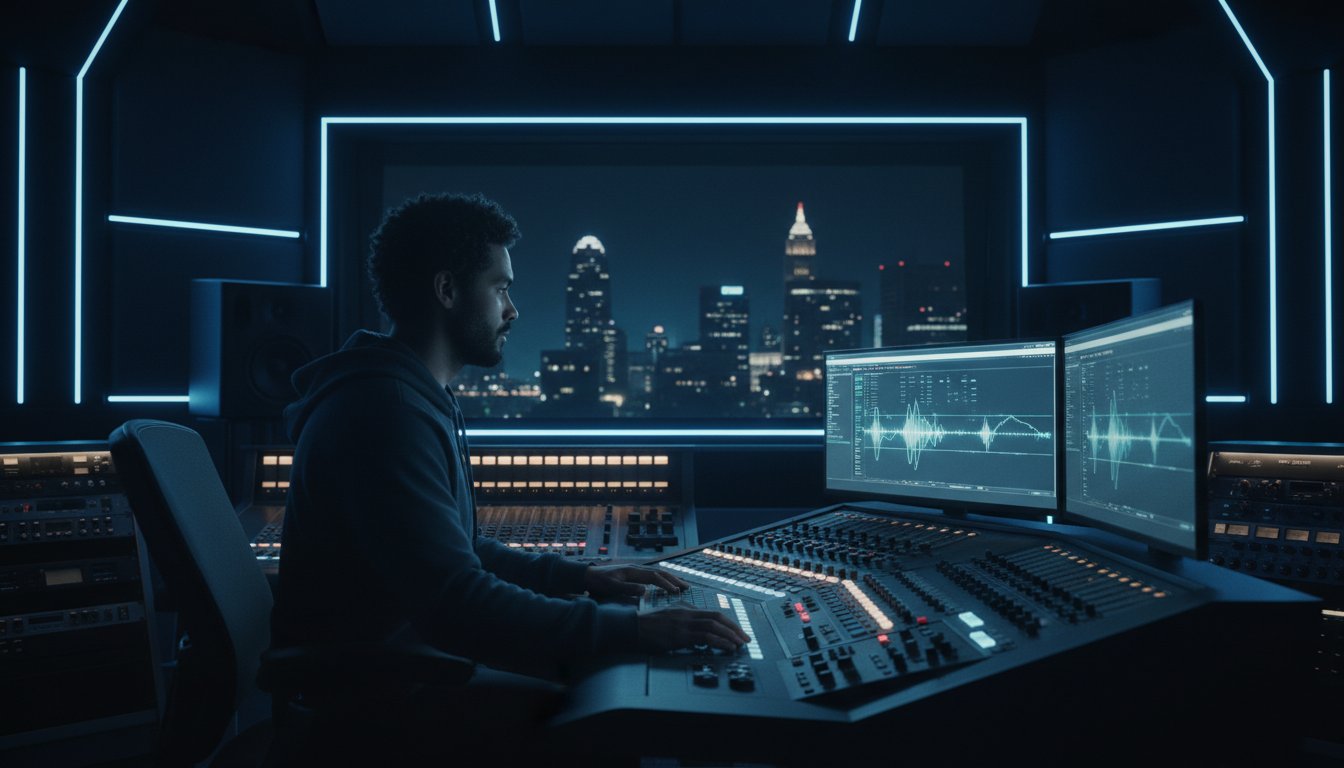
What if the key to unlocking your musical vision lies in mastering the art of sound engineering? In a city like Cleveland, where creativity pulses through every street, the role of a sound engineer is not just essential-it's transformative. Many aspiring audio professionals grapple with uncertainty about job requirements, local training options, and the fear of market saturation. But here’s the good news: this article will illuminate the exciting world of sound engineering, revealing the skills you need to thrive and the abundant opportunities awaiting you in Cleveland. From understanding the intricacies of audio technology to identifying local training programs that can kickstart your career, we’ll cover everything you need to know to turn your passion for sound into a fulfilling profession. Get ready to dive deep into the vibrant landscape of sound engineering, where your artistic journey can truly begin.
Key Takeaways
- Learn what a sound engineer does in various settings, from studios to live events, and understand their key responsibilities in audio production.
- Discover local educational programs in Cleveland that can kickstart your journey into sound engineering, along with valuable internship opportunities.
- Explore actionable steps to break into the sound engineering industry, including ways to gain experience through volunteering and networking.
- Stay ahead of the curve by learning about modern technologies, such as digital audio workstations and immersive audio formats like Dolby Atmos.
- Find out how Starsound Studios in Cleveland elevates your sound experience with cutting-edge technology and a creative environment tailored for artists.
Understanding the Role of a Sound Engineer
A sound engineer plays a vital role in shaping audio experiences across various settings, from recording studios to live events. This multifaceted profession involves several key responsibilities, including mixing, mastering, and live sound reinforcement. Each task requires a blend of technical skills and creative intuition, making the sound engineer an indispensable partner in the music-making process.
In a studio environment, sound engineers capture and manipulate audio to enhance the artistic vision of musicians. They work with advanced software and hardware to create a polished final product. On the other hand, during live events, sound engineers are responsible for ensuring that the audio reaches the audience with clarity and impact. This requires quick thinking and adaptability, as they must troubleshoot issues on the fly while maintaining the energy of the performance.
The role of a sound engineer is continuously evolving, driven by technological advancements. With the rise of digital audio workstations (DAWs) and innovative recording techniques, sound engineers must stay updated with trends to remain competitive. The integration of artificial intelligence, for instance, is changing how sound is mixed and mastered, offering new tools that can enhance creativity and efficiency.
Sound Engineer vs. Audio Engineer: Are They Different?
The terms "sound engineer" and "audio engineer" are often used interchangeably, but they can denote different specializations. A sound engineer typically focuses on the practical aspects of recording and mixing sound, while an audio engineer may delve deeper into the technical theories of audio production. Both roles share overlapping skill sets, such as proficiency in audio software and a solid understanding of sound principles, but they may approach projects from different angles.
Essential Skills for a Successful Sound Engineer
- Technical Skills: Proficiency in DAWs like Pro Tools or Logic Pro, along with a deep understanding of signal flow, is essential.
- Soft Skills: Collaboration is key; sound engineers often work alongside artists and producers. Problem-solving and attention to detail ensure that every note shines.
- Industry Awareness: Staying updated with emerging technologies and trends is crucial for maintaining a competitive edge.
In the world of sound engineering, each project is an opportunity to create, innovate, and push boundaries. With the right blend of technical expertise and artistic vision, sound engineers help bring music to life, ensuring every project resonates with its intended audience.
Sound Engineering in Cleveland: Opportunities and Education
Cleveland's vibrant music and entertainment scene offers a wealth of opportunities for aspiring sound engineers. With a blend of educational institutions, internship prospects, and a variety of local studios, the city is an excellent launching pad for those looking to turn their passion into a profession.
Educational Pathways: Where to Study in Cleveland
Several local colleges and institutions provide quality sound engineering programs:
- Cleveland State University - Offers a Bachelor’s degree in Music Technology.
- Tri-C (Cuyahoga Community College) - Features an Associate degree in Audio Engineering Technology.
- School of Rock - Provides hands-on workshops and short courses tailored to budding sound engineers.
Formal education can offer a structured approach and access to industry-standard equipment, while self-learning encourages creativity and personal exploration. Workshops, like those at local studios, allow hands-on experience that can be crucial for developing practical skills.
Cleveland’s Music Scene: A Hub for Sound Engineers
Cleveland boasts a thriving music scene, from intimate venues like the Grog Shop to larger concert halls such as the Rock and Roll Hall of Fame. These venues not only showcase local talent but also provide invaluable practical experience for sound engineers. Working at these sites can lead to both freelance gigs and full-time positions, allowing engineers to hone their craft in real-time environments.
Notable studios in Cleveland include:
- AMP 150 - Known for its pristine recording capabilities.
- The Cleveland Recording Company - A staple in the local music industry.
- Star Sound Studios - A high-end facility where creativity meets technical excellence.
Internship opportunities abound at these studios and venues, often leading to employment. Networking events, such as local music festivals and studio open houses, provide further avenues for aspiring sound engineers to connect with industry professionals and fellow creatives.
By immersing yourself in Cleveland's dynamic sound landscape, you can cultivate both your technical skills and artistic vision. For those ready to take the next step, exploring Star Sound Studios could be an inspiring move in your journey as a sound engineer.
Breaking into the Sound Engineering Industry
Embarking on a career as a sound engineer can be exhilarating yet challenging. Understanding the steps to break into the industry is crucial for aspiring audio professionals. With the right approach, you'll not only gain valuable experience but also establish a network that can help propel your career forward.
Start by seeking internships or volunteering at local events. Many studios and live venues appreciate the extra hands, and this can often lead to job opportunities. Even small tasks, like setting up equipment or managing cables, can provide invaluable insights into the daily workings of sound engineering.
Next, building a professional network is essential. Attend industry meet-ups and join online forums related to sound engineering. Engage with fellow sound engineers, producers, and musicians. Platforms like LinkedIn and Facebook have groups dedicated to audio professionals where you can share ideas and seek advice. Networking can lead to collaborations that enhance your skills and visibility.
Creating a compelling portfolio is vital. Showcase a variety of projects that highlight your versatility. Include studio recordings, live sound sessions, and post-production work. Use before-and-after examples to illustrate your skills, demonstrating your ability to enhance recordings. Online platforms like SoundCloud and personal websites are excellent for sharing your work and gaining exposure.
When it comes to landing your first job, focus on resume building and interview preparation. Tailor your resume to highlight relevant experience, even if it comes from internships or volunteer work. Research the company and prepare for common interview questions. Show enthusiasm for their projects and articulate how your skills can contribute to their success.
Building Your Portfolio: What to Include
- Diverse projects: Include studio recordings, live sound, and post-production work.
- Before-and-after examples: Showcase how your skills transformed a project.
- Online platforms: Utilize sites like SoundCloud to share and promote your work.
Networking Tips for Aspiring Engineers
- Sound engineering associations: Identify local and national organizations to join.
- Social media leverage: Use platforms like LinkedIn to connect with industry professionals.
- Industry events: Attend seminars, workshops, and conferences to expand your network.
Breaking into the sound engineering industry requires dedication, creativity, and a proactive approach. With the right experience and connections, you can transform your passion into a fulfilling profession.

Modern Technologies Shaping Sound Engineering
The landscape of sound engineering is continually evolving, driven by modern technologies that enhance creativity and precision. Today’s sound engineer is not just a technician but a visionary, leveraging digital tools that allow for unprecedented sonic experimentation. The rise of digital audio workstations (DAWs) has revolutionized music production. DAWs like Pro Tools, Logic Pro, and Ableton Live provide intuitive interfaces and powerful capabilities that empower artists to record, edit, and mix with ease. These platforms integrate advanced features such as MIDI sequencing, virtual instruments, and real-time collaboration, enabling a seamless workflow that inspires creativity.
The Rise of Immersive Audio: Dolby Atmos and Beyond
Immersive audio formats, particularly Dolby Atmos, are reshaping how music and film sound. Dolby Atmos technology allows sound engineers to position audio elements in a three-dimensional space, creating a more engaging listening experience. This technology is being adopted by major studios and streaming platforms, making it a standard in high-end productions. The surge in popularity can be attributed to the growing demand for more realistic soundscapes, especially in films and gaming. Local studios, such as those in our network, are investing in equipment that supports immersive audio production, providing artists with the tools to elevate their sound to the next level.
AI in Sound Engineering: Opportunities and Challenges
Artificial Intelligence (AI) is becoming a game changer in sound engineering. Tools like iZotope’s Ozone and LANDR utilize AI to streamline mixing and mastering processes. These platforms analyze audio and provide suggestions to improve clarity and balance. While AI offers remarkable benefits, such as time-saving automation, it raises questions about creative authenticity. Sound engineers must navigate the balance between technological assistance and personal artistry. Looking ahead, AI is likely to redefine roles within the industry, pushing sound engineers to adapt their skill sets while embracing new creative possibilities.
As advancements continue to emerge, new tools and plugins are enhancing audio quality at an unprecedented rate. From innovative mic preamps that capture every nuance to plugins that emulate vintage gear, the options are endless. The modern sound engineer must stay informed about these developments to remain competitive and deliver exceptional results.
The fusion of technology and artistry creates an exhilarating space for musicians and sound engineers alike. The potential to craft unique soundscapes is greater than ever before. At Star Sound Studios, we embrace these innovations to ensure your music stands out, marrying technical excellence with creative spirit.
Starsound Studios: Elevating Your Sound in Cleveland
Located in the heart of Cleveland, Starsound Studios stands as a beacon for musicians seeking to elevate their sound. As Ohio’s premier Dolby Atmos studio, they offer an extensive range of services, including recording, mixing, and mastering, all designed to bring your artistic vision to life. Their state-of-the-art facilities boast cutting-edge technology that enhances every project, ensuring a sonic excellence that resonates with artists and listeners alike.
Why Choose Starsound Studios?
Starsound Studios has earned a stellar reputation for its commitment to quality and client satisfaction. The studio is equipped with a pristine signal path and acoustically treated rooms that provide an optimal environment for sound engineers to work their magic. This dedication to detail is reflected in the studio’s comprehensive service offerings:
- Dolby Atmos mixing for immersive sound experiences
- High-fidelity recording sessions
- Professional mastering to achieve a polished final product
Every client at Starsound Studios is treated like a star. The team believes in fostering creativity while ensuring that the technical aspects are handled with precision. This balance creates a welcoming atmosphere where artists can thrive.
Client Success Stories: Bringing Visions to Life
Starsound Studios has played a pivotal role in the careers of numerous local artists. Take the story of Jane Doe, an indie singer-songwriter who transformed her raw demos into a full-fledged album. With the guidance of their expert sound engineers, her vision was meticulously crafted into a project that received critical acclaim, showcasing the studio's ability to support artists from concept to completion.
Another success story is Band XYZ, whose collaboration with Starsound led to a breakout hit. The studio not only provided top-notch engineering but also offered valuable insights during the mixing process, helping to shape their sound into something truly unique.
These testimonials illustrate Starsound Studios' unwavering commitment to nurturing local talent, offering education and internship opportunities that empower aspiring sound engineers and musicians alike. As a result, they contribute significantly to the vibrant Cleveland music scene.
Unlock Your Sound Potential Today
Becoming a sound engineer in Cleveland is more than just a career choice; it's an opportunity to shape the auditory landscape of music. With a wealth of educational resources and local talent development programs, aspiring engineers can find their niche in this vibrant city. The modern tools, like Ohio's first Dolby-certified Atmos studio, are revolutionizing the industry, ensuring that your sound reaches new heights.
If you're ready to take your craft to the next level, Star Sound Studios offers a comprehensive range of services designed to elevate your sound. Explore our Dolby Atmos Studio in Cleveland and elevate your sound today! It's time to turn your musical vision into reality. Remember, every great sound engineer started somewhere, and your journey begins now.
Frequently Asked Questions
What qualifications do you need to become a sound engineer?
To become a sound engineer, a bachelor's degree in audio engineering or a related field is often preferred. Many programs include hands-on training with recording equipment, software, and acoustics. Additionally, certifications from industry organizations can enhance your credibility and job prospects.
How much does a sound engineer earn in Cleveland?
The average salary for a sound engineer in Cleveland is approximately $54,000 per year, according to the U.S. Bureau of Labor Statistics. Entry-level positions may start lower, while experienced sound engineers can earn significantly more, especially in specialized fields like music production and live sound.
What is the difference between a sound engineer and a producer?
A sound engineer focuses on the technical aspects of recording and mixing sound, ensuring optimal audio quality. In contrast, a producer oversees the entire production process, from song development to final arrangements. Producers often have a broader creative role, while sound engineers specialize in the technical execution.
Can you become a sound engineer without a degree?
Yes, it is possible to become a sound engineer without a formal degree. Many successful sound engineers start with internships or entry-level positions to gain practical experience. Building a strong portfolio and networking within the industry can also lead to opportunities, demonstrating that skills and passion can often outweigh formal education.
What are the most commonly used tools by sound engineers?
Sound engineers typically use a variety of tools, including digital audio workstations (DAWs) like Pro Tools or Logic Pro, microphones, mixing consoles, and audio interfaces. Additionally, effects processors and plugins are essential for manipulating sound and achieving desired sonic qualities.
How can I start my career as a sound engineer in Cleveland?
To start your career as a sound engineer in Cleveland, consider enrolling in local audio engineering programs or workshops. Networking with local studios, attending music events, and seeking internships can provide valuable experience. Joining professional organizations can also help you connect with industry professionals and find job opportunities.


